Brown County property tax payment early allows taxpayers in Brown County to manage their finances with less pressure. Property tax bills usually list the parcel number, assessed value, tax rate, and due dates in clear sections. Paying ahead of the deadline gives time to confirm records and fix any billing errors. Many property owners prefer early payment since it spreads expenses across the year. This approach supports better planning for housing costs and other regular bills.
Brown County property tax payment early can be completed through several methods that fit different needs. The county tax payment system often includes an online portal where payments can be made by card or electronic check. Mail payments and in-person payments at the treasurer’s office remain common choices for those who prefer traditional options. Each method provides receipts or confirmation records for future reference. Clear payment records help taxpayers stay prepared for upcoming tax deadlines and annual billing cycles.
What Is Brown County Property Taxes
Brown County property taxes are local real estate taxes charged on land, homes, and commercial property to fund public services. The amount depends on the property’s assessed value, local tax rates, and any exemptions applied to the parcel.
In Brown County, property taxes form a major source of revenue for schools, emergency services, and road maintenance. The Brown County Auditor plays a key role in determining property values and maintaining accurate tax records for all parcels within the county. Property owners receive yearly or semi-yearly statements that show real estate taxes, taxable value, and payment deadlines. These statements help taxpayers track balances, confirm parcel details, and plan payments ahead of time.
How Property Taxes Are Calculated
Property taxes follow a step-by-step process that combines valuation and tax rates. County assessors first determine the assessed value, which reflects the estimated market value of the property under local assessment rules.
After that, officials apply exemptions or reductions. Common examples include:
- Homestead exemptions
- Senior or disability reductions
- Agricultural or conservation classifications
The result becomes the taxable value. Local authorities then apply millage rates, which represent the tax amount charged per $1,000 of taxable value. Each parcel receives a calculation based on its own value and location, so two properties in the same area may have different tax bills.
Simple formula:
| Step | Description |
|---|---|
| Assessed value | Estimated property value set by the assessor |
| Minus exemptions | Reductions allowed under local law |
| Taxable value | Amount subject to taxation |
| Applied millage rate | Local tax rate used to calculate real estate taxes |
Why Property Taxes Matter
Property taxes support services used every day in the community. Public school funding often relies heavily on local tax revenue, and counties use funds to maintain roads, bridges, and drainage systems.
Police, fire departments, and emergency medical services depend on these funds to maintain equipment and staffing. Parks, libraries, and local government offices receive support through the same revenue stream. For this reason, consistent property tax payments keep services stable and projects moving forward. At the same time, local tax rates reflect budget needs approved by county officials, school districts, and other taxing authorities. Public meetings and budget hearings allow residents to review spending plans and tax rate proposals.
Common Terms in Property Tax Bills
Property tax statements often include terms that may seem unfamiliar. Knowing these terms helps property owners read their bills with confidence.
Common terms include:
- Delinquent taxes: Taxes that remain unpaid after the due date.
- Penalties and interest: Extra charges added to overdue balances.
- Escrow: A payment method where a mortgage lender collects tax payments with monthly mortgage installments.
- Tax lien: A legal claim placed on a property when taxes stay unpaid for an extended period.
How to Look Up Your Brown County Tax Bill
A tax bill lookup in Brown County can be completed online using the official property search tool or by contacting the Auditor’s office. Most property owners can find my tax bill online within minutes using a parcel number, owner name, or property address. In Brown County, Ohio, property tax records are maintained by the County Auditor and Treasurer. These public records show assessed value, payment status, real estate taxes due, and delinquent balances. The fastest method is the county’s online parcel lookup system, which works 24 hours a day.
Using the Brown County Auditor Online Tool
The official property search tool is provided through the Auditor’s office.
Official Brown County Auditor Property Search URL: https://www.browncountyauditor.org/
Follow these steps for a successful tax bill lookup:
- Visit the official Auditor website listed above.
- Click on Property Search, Real Estate Search, or Parcel Lookup in the menu.
- Enter one of the following:
- Parcel number (best option for exact results)
- Owner name (last name first works best)
- Property address
- Click Search.
- Select the correct property from the results page.
- Open the Tax or Billing tab to view:
- Current tax bill amount
- Due dates
- Payment history
- Delinquent taxes, if any
Alternative Methods
If the online tax bill lookup tool is unavailable, other options remain.
- Call the Auditor’s Office:
Speak with staff during business hours and provide the property address or parcel number. - Email Request:
Send the owner name and property details. Staff can confirm billing status or send a duplicate copy. - Visit in Person:
Go to the County Auditor’s office in Georgetown, Ohio. Bring identification and property information for faster service.
Common Issues When Looking Up a Tax Bill
Several common problems can interrupt a parcel lookup:
- Entering the wrong parcel number
- Misspelling the owner’s name
- Using an outdated address after property transfer
- Website maintenance or browser errors
- Missed mailed tax bills
Brown County Property Tax Payment Options
Property owners can pay Brown County property taxes using several convenient payment methods, including online property tax payment, mail-in payment, in-person payment, or automatic payments through a mortgage escrow account. Each option works within the same billing schedule, so choosing a reliable method helps keep accounts current and avoids penalties. In Brown County, Ohio, real estate taxes are billed by the Treasurer after values are set by the Auditor. Taxpayers can review parcel details, payment history, and billing status before selecting a payment method. Many residents prefer online payments for speed, yet traditional options remain available.
Online Payments
Online property tax payment is the fastest and most widely used method. Most systems accept:
- Credit cards
- Debit cards
- Electronic checks (e-check or ACH transfer)
Card payments often include a processing fee charged by the payment provider. E-check payments usually cost less and may take a few days to clear.
Official Treasurer Page (Online Payment Portal Entry): https://browncountyohio.gov/index.php/treasurer
Steps to Online Payment Process
- Open the Treasurer page using the link above.
- Locate Pay Property Taxes or Online Payments.
- Enter a parcel number, owner name, or property address.
- Confirm the balance and installment amount.
- Select a payment method.
- Review fees and total amount.
- Submit payment and save the receipt.
Mail-In Payments
Mail-in payment remains a dependable option for property owners who prefer checks or money orders.
Typical Mailing Steps
- Write a check payable to Brown County Treasurer.
- Write the parcel number on the memo line.
- Include the payment stub from the tax bill.
- Mail the envelope to the Treasurer’s mailing address listed on the bill or Treasurer webpage.
Check Formatting Tips
- Use blue or black ink.
- Write the exact payment amount shown on the bill.
- Avoid sending cash through the mail.
- Keep a copy or photo of the check.
In-Person Payments
Some taxpayers prefer paying in person for immediate confirmation or assistance reviewing a bill. Payments are accepted at the Brown County Treasurer’s Office during normal business hours listed on the county website.
What to Bring
- Tax bill or parcel number
- Identification
- Payment method (cash, check, or card if accepted)
Payment via Escrow or Mortgage Company
Many homeowners pay property taxes through a mortgage escrow account rather than paying directly.
How Escrow Payments Work
- The lender estimates yearly property taxes.
- A portion of that amount is included in the monthly mortgage payment.
- The lender sends payment to the county when taxes become due.
This system spreads tax costs across the year and reduces the chance of missed deadlines. Property owners still receive tax statements for records, and parcel records usually show the lender as the paying party.
How to Confirm Escrow Payments
- Review the mortgage statement showing escrow activity.
- Check parcel records on the county website.
- Contact the lender if payment does not appear near the due date.
Brown County Property Tax Dates & Deadlines
Brown County property tax due dates follow a structured yearly schedule. Missing a deadline can result in delinquent taxes, added interest, and financial penalties that increase the total amount owed. In Brown County, Ohio, property taxes are usually divided into two installments each year. The county Treasurer announces official due dates once tax bills are finalized and mailed. Property owners who monitor billing cycles early reduce the risk of penalties and collection action. Checking payment status online before each installment due date helps prevent surprises.
Annual Tax Calendar
Brown County follows a semi-annual billing cycle. Property tax bills are issued at the start of the year, and payments are divided into two separate installments. Staying aware of this schedule helps property owners plan finances and avoid last-minute pressure. Even a small delay can cause an account to move into delinquent status. Reviewing the county calendar at the beginning of each year provides clarity on exact dates.
Typical Timeline:
- January 1: Tax bills mailed to property owners
- February 16: First installment due date
- July 16: Second installment due date
- July 17 and after: Tax account becomes delinquent
Consequences of Late Payment
If payment is not received by the official due date, the account is marked delinquent. Interest begins to accumulate on the unpaid balance immediately. Over time, penalties increase the total amount owed and may trigger legal collection steps. Property owners who monitor installment deadlines closely reduce the risk of long-term financial impact. Early action is always easier than resolving a delinquent account later.
Possible Consequences Include:
- Percentage-based tax penalty added to the balance
- Ongoing interest charges
- Public delinquent tax listing
- Tax lien placed against the property
Handling Delinquent Taxes
Delinquent taxes occur when a property tax bill is not paid by the official due date. Once taxes become overdue, late payment fees and interest begin to accumulate on the unpaid balance. If the taxes remain unpaid for an extended period, the county may begin the tax lien process, which can eventually create a property seizure risk. Addressing overdue taxes promptly helps prevent additional financial and legal consequences.
How to Check if Taxes Are Delinquent
You can confirm whether your property taxes are delinquent by using the Treasurer’s online tools.
- Click “Pay Bill” from the Treasurer page menu.
- Search for your property using the owner name, parcel number, or address.
- Review the account summary for outstanding balances.
- Check for added penalties or interest charges.
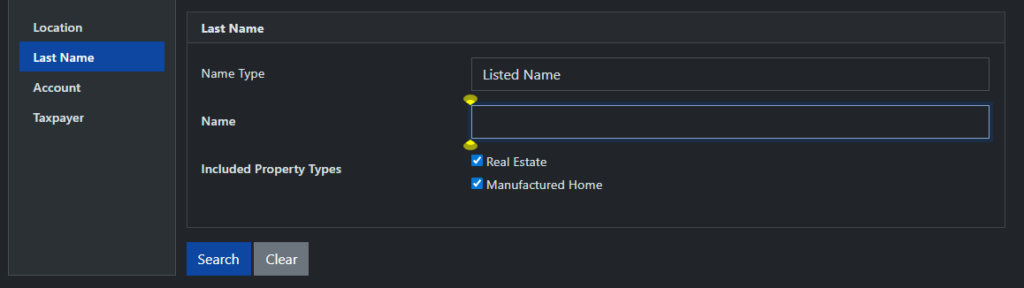
If the account shows a past-due amount or includes penalty fees, your taxes are considered delinquent. You may also review the “Tax Payment Information” section for details about billing cycles, installment deadlines, and penalty schedules.
Payment Options for Delinquent Taxes
If your property taxes are delinquent, several payment methods are typically available:
- Online payment through the “Pay Bill” portal
- In-person payment at the Treasurer’s office
- Mail-in payment using certified funds
- Partial payments (if permitted by policy)
Keep in mind that late payment fees and interest continue to accrue until the full balance is paid. Failure to resolve delinquent taxes may result in the account entering the tax lien process, which places a legal claim against the property.
Negotiating Payment Plans with the County
If you are unable to pay the full balance immediately, contact the Treasurer’s office to discuss possible payment arrangements. Many counties allow structured installment agreements for delinquent accounts.
Possible options include:
- Formal payment plans
- Written installment agreements
- Scheduled repayment programs
Frequently Asked Questions
Property owners often have questions about tax payments, due dates, penalties, and online tools. This section answers common concerns about Brown County property taxes, including how to pay online, what happens if payments are late, and how to look up tax bills. These FAQs are written in simple language to help homeowners, buyers, and real estate investors quickly find accurate and helpful information.
How do I pay my Brown County property taxes online?
Paying Brown County property taxes online is simple and secure. Start by visiting the official Brown County Treasurer website. From the top menu, click “Pay Bill” to access the payment portal. You can search for your property using the owner name, parcel number, or property address. Once your account information is displayed, review the current balance and choose your preferred payment method, such as credit card, debit card, or electronic check. The system will show any applicable processing fees before confirming payment. After submission, a receipt is generated immediately for your records. Online payments are processed quickly, helping you avoid late fees or interest.
What happens if I miss my tax due date?
If a property tax payment is not made by the official due date, the unpaid amount becomes subject to late payment fees and additional interest charges. The account is then classified as delinquent, which increases the total amount owed. Counties typically send notices to inform owners about overdue taxes, but failure to act can trigger the tax lien process, giving the county a legal claim against the property. Continued nonpayment may eventually lead to foreclosure or property seizure. Even a small delay can result in cumulative fees, so addressing missed payments promptly is critical. Contacting the Treasurer’s office can provide guidance on paying late taxes and minimizing penalties. Proactive management reduces the risk of further legal complications.
Can I pay property taxes in installments?
Many counties allow property owners to pay taxes in installments, particularly if full payment is difficult. Standard property tax bills are often divided into semiannual payments, and the county may accept structured arrangements for overdue accounts. If you qualify, you can request a payment plan through the Treasurer’s office, which typically outlines scheduled monthly or quarterly payments. Making timely installment payments helps prevent additional penalties and interest. Missing payments under a plan can void the agreement and restart the delinquent process. Always ensure any written agreement is confirmed and retained for your records. This approach provides flexibility while keeping your account in good standing.
How do I look up my property tax bill by address or parcel number?
To locate your property tax bill, use the “Pay Bill” portal on the Treasurer’s website. Enter the property owner’s name, parcel number, or full address to access the account. Once the property record is displayed, you can view the current balance, previous payments, upcoming installments, and any penalties or interest applied. This tool is essential for verifying whether taxes are current or delinquent before attempting payment. It allows property owners to plan and prevent missed deadlines. Additionally, the system provides a printable summary for record-keeping purposes. Regularly checking your account ensures you are aware of all charges and deadlines.
Are there fees for using credit cards to pay taxes?
Yes, credit card and debit card payments typically include a convenience or processing fee, which is charged by the payment processor rather than the county. Electronic check (e-check) payments usually have lower fees or no fees at all, depending on the system. The payment portal will display the fee before you finalize your transaction, allowing you to review the total cost. Some counties may also set a maximum fee for large payments. Understanding these fees helps property owners plan their payments efficiently. Always compare card and e-check options to minimize extra charges. Timely online payments with fee awareness can save both time and money.