Brown County property search allows users to quickly access detailed information about land, buildings, and ownership records in the county. By using this search, residents, buyers, and businesses can check property tax records, parcel numbers, and real estate history with ease. The records provide clear data about ownership transfers, assessed values, and property boundaries. Many people rely on these details before buying or selling property or for verifying legal descriptions. Using accurate property data ensures decisions are informed and helps avoid errors in transactions.
Accessing Brown County property records is straightforward with the official Auditor property lookup tool. This online portal lets users search by owner name, address, or parcel ID to find real estate information quickly. It provides a transparent view of taxes, valuations, and sales history. Individuals can save or print records for personal reference or professional use. Overall, the tool makes Brown County property search reliable and efficient for anyone needing precise parcel information or property tax records.
Brown County Property Records
Brown County property records are official documents that detail information about land and buildings within the county. A parcel search allows residents, buyers, and professionals to access these records and confirm ownership, property characteristics, and tax obligations through the Brown County Auditor office and its public record systems. These records provide clarity, prevent disputes, and support informed decisions about real estate.
What Are Property Records?
Property records are legal documents maintained by the county that track essential details about a piece of land or property. They act as a public ledger showing who owns the property, its assessed value, and any changes in ownership over time. By referencing these records, users can verify ownership, review property taxes, and explore property history. These records are widely used by real estate professionals, homebuyers, and legal experts. They ensure transparency in property transactions and help resolve ownership disputes quickly. Anyone planning to buy, sell, or assess a property benefits from checking these records first.
Types of Information Available
Property records include several categories of information that give a comprehensive view of each property. Users can find legal, financial, and physical details that help in evaluating, buying, or managing real estate.
- Ownership Details: Names of current and previous owners, legal descriptions, and sale history.
- Parcel ID: A unique identifier assigned to each property for tracking in official databases.
- Tax History: Annual property taxes, payment status, exemptions, or penalties.
- Assessed Value: County’s official valuation used for property tax calculation.
- Property Characteristics: Lot size, zoning classification, and land use.
How the Auditor’s Office Maintains Records
The Brown County Auditor’s office ensures that property records are accurate and current. Records are regularly updated to reflect changes in ownership, property value, and tax status.
- Property sales or ownership transfers
- Changes in property boundaries or subdivisions
- Updated property appraisals or reassessments
- Adjustments to property taxes
This maintenance allows residents and professionals to rely on the data for land records, real estate data, property ownership information, and property appraisal details. Performing a parcel search via the Auditor’s official tool gives access to all of this information efficiently.
Visual Example of a Property Record
| Field | Details |
|---|---|
| Owner Name | John Doe |
| Parcel ID | 123-456-789 |
| Address | 101 Main Street, Brown County, OH |
| Assessed Value | $175,000 |
| Tax History | Paid in full, 2024 |
| Property Type | Residential |
| Legal Description | Lot 5, Block A, Sunny Acres |
How to Search Brown County Property Records
Performing a Brown County property search is straightforward using the official Auditor property lookup tool. Whether checking ownership, parcel details, or tax records, the Auditor’s portal provides accurate and up-to-date information. Users can search by owner name, parcel ID, or property address to access detailed records quickly. The Auditor’s site is designed for easy navigation and transparency, giving residents and professionals direct access to ownership records, property data, and parcel information. You can start your search by visiting the official tool here: https://realestate.browncountyauditor.org/
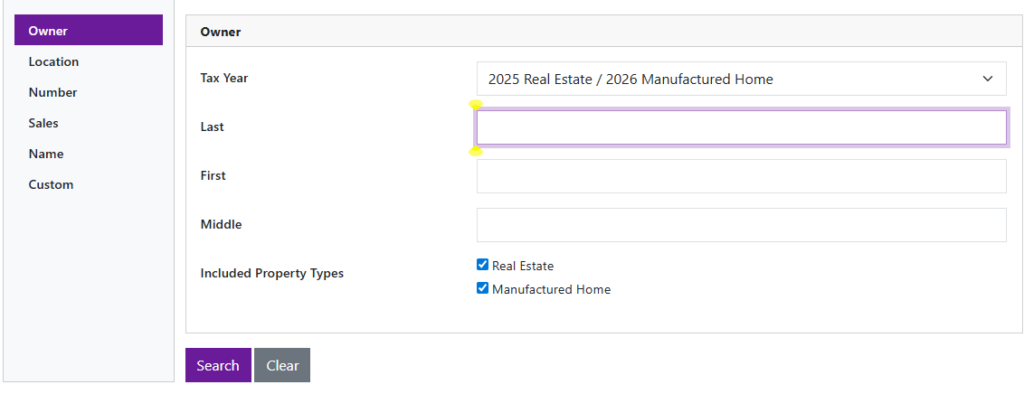
Search by Owner Name
Searching by owner name is one of the most common ways to access property records. This method is helpful for buyers, researchers, or anyone verifying property ownership information.
To perform an owner name search:
- Go to the official Auditor property lookup: https://realestate.browncountyauditor.org/
- Select the “Owner Name” search option from the menu.
- Enter the full or partial name of the property owner.
- Click Search to generate a list of matching properties.
- Review each property’s details, including parcel ID, address, and assessed value.
Tips for effective owner name searches:
- Check for common spelling variations or initials.
- Use only last names if the full name returns too many results.
- Combine with location filters, if available, for faster results.
Search by Parcel ID
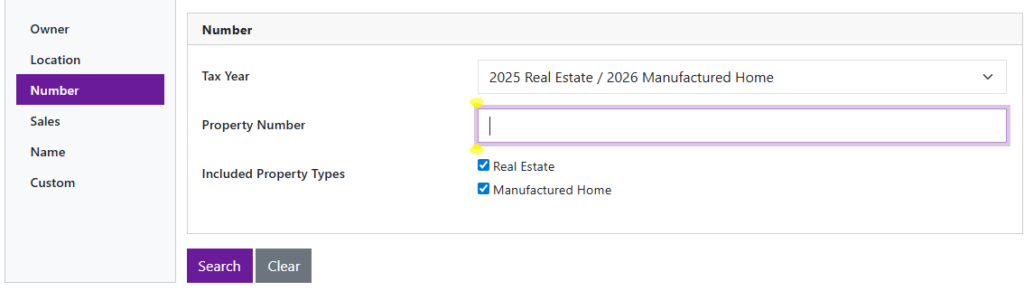
For users who know a property’s unique identifier, a parcel search provides the fastest results. Each property in Brown County has a parcel ID that acts as a reference in the Auditor’s system.
Steps to perform a parcel search:
- Open the Auditor property lookup: https://realestate.browncountyauditor.org/
- Select “Number” in the search menu.
- Enter the complete parcel number exactly as provided.
- Click Search to view detailed property records, including ownership, tax information, and legal descriptions.
Why use a parcel search:
- Guarantees accurate results without name ambiguities.
- Useful for real estate professionals, appraisers, or legal cases.
- Accesses full property data efficiently.
Search by Address
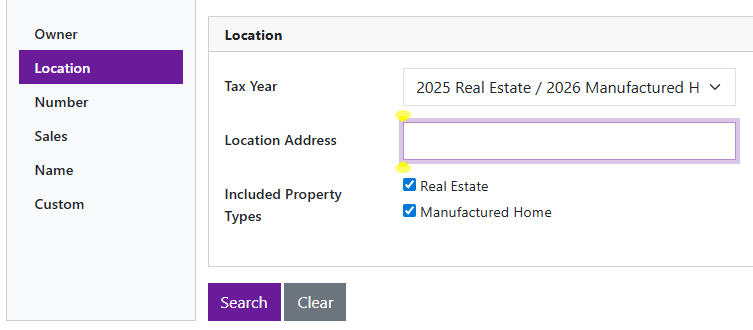
Searching by property address is ideal when the location is known but ownership details are not. An address lookup allows users to find parcel numbers, tax history, and owner information linked to a property.
Steps for an address search:
- Visit https://realestate.browncountyauditor.org/
- Select “Address” in the search menu.
- Enter the street number and name, including city if needed.
- Click Search to view results.
- Click on a property to see full details, such as assessed value, owner name, and parcel ID.
Benefits of address lookup:
- Quickly locates properties on a map.
- Confirms property location and lot boundaries.
- Ideal for real estate inquiries or neighborhood research.
Property Details You Find
A Brown County property records search returns detailed real estate data about a specific parcel. The information is organized into sections that explain ownership, parcel details, assessed value, tax records, and legal land descriptions. Each section provides part of the full property profile. When reviewed together, these details give a complete picture of the property’s financial and legal status. Learning how to read this data helps buyers, sellers, and researchers avoid mistakes and make informed decisions.
Owner Details
The owner details section confirms the legal holder of the property title. It shows who currently owns the land and may list previous transfers as part of the ownership history. This section is important for verifying land ownership before buying or reviewing property disputes. It may include both individual and business ownership records. Transfer dates and recorded sale amounts are often displayed. Reviewing this information carefully helps confirm accurate ownership records.
- Owner name (individual, joint owners, LLC, trust, etc.)
- Mailing address of the owner
- Transfer date
- Sale price
- Prior ownership history
Parcel Information
Parcel information identifies the property within the county’s tax system. Each property has a unique parcel ID that acts as a permanent property identifier. This number links the property to maps, tax districts, and assessment records. Parcel details help confirm the exact land location and classification. This section supports accurate parcel search results. It connects physical property details with official county data.
- Parcel number
- Property address
- Lot size (acres or square feet)
- Property class (residential, commercial, agricultural)
- School and taxing district
Assessed Values
The assessed value section shows the county’s official valuation used for property tax calculation. This figure comes from property appraisal data collected during assessment cycles. It may differ from the actual market sale price. The breakdown usually separates land value and building value. Reviewing these numbers helps property owners understand property valuation and overall tax obligations. It also helps buyers estimate annual tax expenses.
- Land value
- Building value
- Total assessed value
- Year of last appraisal
Property Tax History
The tax history section displays yearly tax charges and payment records. This information shows whether property taxes are paid or delinquent. Buyers often review this section before completing a purchase. Tax records may show semiannual payment breakdowns. Exemptions or reductions may appear for qualifying properties. This section helps confirm financial standing tied to the property.
- Annual tax amount
- First and second half payment status
- Outstanding balances
- Tax credits or exemptions
Legal Description and Land Records
The legal description defines the property’s boundaries in official land records. This information uses technical survey language to describe the exact location and dimensions of the parcel. It may reference subdivision names, lot numbers, or recorded plats. Legal descriptions are used in deeds and official filings. They are more precise than mailing addresses. This section confirms the true physical limits of land ownership.
- Subdivision name
- Lot and block number
- Metes and bounds description
- Plat book and page reference
Using Brown County Property Maps
A parcel search in the Brown County system often includes access to interactive property maps. These maps enhance a standard Brown County property search by visually displaying land boundaries, nearby parcels, and zoning details. Property mapping tools use GIS (Geographic Information System) technology to connect real estate data with digital maps. Instead of viewing only text records, users can see the physical layout of a property. This visual layer helps confirm lot size, boundary lines, neighboring parcels, and district information. GIS mapping makes it easier to understand how a property fits within its surroundings.
What Is the Brown County Parcel Viewer?
The county’s online parcel viewer is part of its property mapping system. It connects parcel numbers with interactive real estate maps and geographic layers. Users can zoom in, switch map styles, and view detailed parcel outlines.
Through the parcel viewer, users can:
- View property boundaries clearly outlined on the map
- Identify adjacent or nearby parcels
- Check property size visually
- Switch between aerial imagery and street views
- See zoning classifications and tax districts
How to Use the Property Mapping Tool
To access the mapping feature:
- Visit the official Auditor property search portal.
- Perform a parcel search using owner name, address, or parcel ID.
- Open the selected property record.
- Click the Map or GIS viewer option within the record.
- Use zoom and layer tools to explore boundaries and nearby parcels.
Accessing Historical Property Records
Older Brown County property records include past ownership transfers, archived deeds, and previous property tax records. These documents help build a complete property timeline beyond what appears in the standard online search. Historical property data is useful for title research, legal matters, and genealogy. Buyers often review older transfers before purchasing land. Attorneys and researchers rely on archived land records to confirm ownership chains. Reviewing past records reduces risk and improves accuracy in property decisions.
How to Access Historical Property Data
Accessing older records usually requires reviewing both online systems and physical land record archives. While recent ownership history may appear in the Auditor’s database, older documents may be stored in archived deed books or scanned records. Some historical property data dates back decades and may require assistance from county staff. Property history lookup often involves checking deed references and prior transfer dates. Understanding where records are stored saves time during research. A careful review ensures a complete ownership chain.
- Start with the online property search tool to review available past transfers.
- Note deed book and page references listed in the record.
- Contact or visit the County Recorder’s Office for older deed archives.
- Request archived tax history from the Auditor’s Office.
- Review historical plat maps for boundary changes.
Requesting Certified Copies of Property Records
Certified copies are required for court filings, refinancing, and official ownership verification. These copies carry a seal confirming that the document is authentic and recorded with the county. Requests may be submitted in person or by mail, depending on office procedures. Fees typically apply for both copying and certification. Processing times can vary based on document age. Having accurate document details speeds up the request process.
- Identify the exact document needed (deed, tax record, plat map, etc.).
- Provide parcel ID or book and page number if available.
- Submit a request through the Recorder or Auditor’s office.
- Pay applicable copy and certification fees.
- Allow time for official processing and stamping.
Frequently Asked Questions
A Brown County property search usually works smoothly, yet users sometimes face small problems during an auditor property lookup. Most issues relate to incorrect search entries, delays in updates, or difficulty locating older records. Knowing how the system works helps users fix problems quickly and continue their property search without delays. The answers below address common concerns and explain where to get reliable public records help. Each response provides clear steps and practical information to support accurate searches and better results.
How often is Brown County property data updated?
Property ownership records are updated after deeds are officially recorded with the county recorder. Once the transfer is processed, the Auditor’s database reflects the change in the system. This process may take several days depending on recording volume and processing time. Property tax records are updated after each tax payment cycle, which usually occurs twice a year. Assessed values are revised during scheduled appraisal or reappraisal cycles conducted by the county. If a recent sale does not appear immediately, it may still be pending entry. Users who need confirmation of a recent change can contact the Brown County Auditor’s Office for verification.
Why is my parcel ID not showing results?
An incorrect parcel number is the most common issue during a Brown County property search. Even a single missing digit, extra space, or misplaced dash can prevent the system from returning results. Users should verify the parcel ID directly from tax bills, closing documents, or official records before searching. Selecting the correct search option in the lookup tool is equally important, since different fields return different data. Some parcels may be listed under a slightly different formatting style in older records. Confirming the property is located within Brown County, Ohio can also prevent confusion with similarly numbered parcels in nearby counties.
Can I download or print property records online?
Yes, most auditor property lookup systems provide a print-friendly page that allows users to save or print property summaries. These summaries often include ownership details, assessed values, parcel information, and tax amounts. Downloaded copies are useful for personal reference, research, or preliminary real estate review. Many records are available in PDF format for easy storage and sharing. Online copies are considered informational and usually are not certified for legal use. If an official certified document is required, users must request it directly from the appropriate county office and pay the applicable certification fee. Processing time depends on the type and age of the record requested.
Why is ownership information missing or outdated?
Ownership information may appear incomplete if a property transfer was recorded recently and is still being processed. Recording delays can occur between the filing of a deed and its appearance in the public database. Some historical property data may exist only in archived land records that are not fully digitized. In these cases, only partial ownership history may appear online. Users researching long ownership chains may need to review deed books or archived documents at the county office. Checking transfer dates within the record often helps determine whether updates are still pending. County staff can confirm the most recently recorded deed if clarification is needed.
What should I do if the website is not loading properly?
Technical issues may occur because of browser compatibility, internet connection problems, or temporary maintenance on the county website. Refreshing the page or clearing the browser cache often resolves loading errors. Trying another browser or device can also help determine whether the issue is local or system-wide. Pop-up blockers or security extensions may interfere with printable record pages, so disabling them temporarily may solve the problem. Checking the county website for maintenance notices can confirm whether the system is temporarily offline. If the issue continues, contacting the Auditor’s office can provide status updates or alternate ways to obtain records.
Who can I contact for property search help?
For assistance with assessed values, tax records, or parcel search problems, the Brown County Auditor’s office is the primary point of contact. Staff members can explain property appraisal data, tax calculations, and parcel numbering systems. Questions about deeds, ownership transfers, or historical land records are usually handled by the County Recorder’s Office. Contact details, office hours, and request procedures are listed on official county websites. Having the parcel ID or property address ready helps staff locate records more quickly. Clear communication and accurate property details allow county offices to provide faster and more precise public records help.