Brown County GIS map gives a clear way to view land details through an interactive property mapping platform linked to county records. It presents parcel boundaries, lot shapes, and mapped locations in a visual format that feels easy to follow. For residents, this means checking property details without paperwork or office visits. For buyers and investors, it offers quick clarity before financial decisions. The system connects maps with digital land records, so users see where a parcel sits and what data belongs to it.
Brown County GIS map plays a central role in public transparency by sharing county-verified land information online. Real estate professionals, surveyors, and planners rely on it for consistent parcel data across projects. Homeowners use it to review lot size, nearby roads, and surrounding parcels with confidence. County offices depend on the same mapped data to keep records aligned. This shared geographic information system builds trust by showing the same property facts to everyone, all in one place.
What Is a GIS Mapping System and How It Works
A GIS mapping system is a digital platform that collects, organizes, and displays spatial data. It allows users to interact with geographic information through maps layered with detailed property and environmental information provided by the Brown County Auditor.
How GIS Collects and Displays Data
A GIS platform works by gathering spatial data from multiple sources such as satellite imagery, surveys, property records, and public databases. This information is then organized into layered mapping data, which can include roads, parcel boundaries, zoning areas, water features, and elevation. Each layer can be turned on or off, giving users the ability to focus on specific details. For example, one layer may show property parcels, while another highlights flood zones or utility lines. The combination of these layers creates an interactive digital map that provides a full picture of an area in ways that static paper maps cannot.
Key components of a GIS mapping system include:
- Data collection tools such as GPS devices, drones, and survey instruments
- Database management to store and organize geospatial records
- Visualization tools for displaying maps with multiple interactive layers
- Analytical functions for measuring distances, calculating areas, or assessing trends
Difference Between Static Maps and GIS Platforms
Unlike traditional static maps, which only show a single snapshot of an area, a GIS platform is dynamic and interactive. Users can zoom, pan, or search for specific parcels and overlay multiple data sets simultaneously. Static maps are fixed and cannot reflect changes in real time, whereas GIS updates as new information becomes available. Interactive GIS maps also provide context. For instance, a parcel may be adjacent to a waterway, but a GIS map can also display flood risk, easements, or nearby road improvements—all in one view.
Why Counties Use GIS for Land Management
Counties adopt GIS systems to streamline land management tasks and enhance transparency. These platforms allow county officials to maintain accurate property records, monitor zoning compliance, track development projects, and plan infrastructure improvements efficiently.
Benefits of GIS for county operations include:
- Faster property and parcel analysis
- Improved coordination between departments
- Public access to accurate, up-to-date maps
- Reduced errors compared with manual record-keeping
Parcel Maps in Brown County
A parcel map shows the exact boundaries of land parcels within Brown County. It helps residents, investors, and officials identify properties and link them to ownership and tax records.
What a Parcel Number Represents
Every parcel on a parcel map has a unique identifier known as a parcel number or Assessor’s Parcel Number (APN). This number connects the property to county records and provides key information for ownership, taxation, and legal purposes.
A parcel number can reveal:
- The lot size and shape
- Property location within the county
- Ownership history and current owner
- Associated tax parcel records for payments and assessments
How Parcel Maps Are Created
Parcel maps are built by combining surveying data with historical land records. Surveyors measure property boundaries, while county offices integrate deeds, plats, and GIS data to produce accurate, official maps.
These maps typically include:
- Property parcel boundaries drawn to scale
- Roads and street layouts
- Easements, right-of-ways, and public utility locations
Relationship Between Parcels and Ownership Records
Each parcel shown on a map corresponds to official ownership records maintained by the Brown County Auditor. When parcels are sold, subdivided, or reconfigured, both the maps and records are updated to reflect the changes.
Key benefits of linking parcels to ownership records include:
- Property buyers can verify boundaries before purchasing
- Real estate professionals can assess lot size, zoning, and legal status
- County staff can maintain accurate tax and property assessment records
Plat Maps Explained: Layout, Purpose, and Use
Plat maps are detailed diagrams that show how a tract of land is divided into lots, streets, and public spaces within a subdivision. They provide a visual and legal record of land division that helps residents, developers, and county officials understand the exact layout of a neighborhood. Unlike parcel maps, which focus on ownership and tax information, plat maps focus on lot dimensions, street layouts, and the placement of public areas. These maps are officially recorded with the county and serve as a reference for legal, construction, and planning purposes.
What Plat Maps Show
A plat map provides a precise view of a subdivision’s layout, including every lot and its relationship to streets and public areas. These maps are essential for understanding how land is divided and where easements, common spaces, and roads are located. Users rely on them to confirm dimensions, plan construction, and ensure compliance with local zoning laws.
Plat maps typically include:
- Subdivision layout showing streets, alleys, and public areas
- Lot dimensions and shapes for individual properties
- Easements and rights-of-way for utilities and access
- Survey markers and official boundary lines
Purpose of Plat Maps
Plat maps serve as both a legal and practical reference for land use. They help developers, buyers, and county officials understand how land is divided and what limitations exist for each lot. This information ensures that property development aligns with recorded plans, prevents disputes, and provides transparency for public and private projects.
Common uses of plat maps include:
- Confirming lot dimensions for building or expansion
- Planning roads, drainage, and utility lines within subdivisions
- Checking public spaces and easements for compliance
- Resolving boundary or property disputes
When to Reference Plat Maps vs Parcel Maps
While parcel maps link properties to ownership, tax information, and county records, plat maps focus on the physical arrangement of lots and streets. Knowing when to use each ensures accurate planning, legal compliance, and property research. For construction or subdivision planning, plat maps are the reference of choice. For ownership verification or tax assessments, parcel maps are used instead.
Key distinctions include:
- Parcel maps – Ownership, tax records, official property identifiers
- Plat maps – Lot layout, subdivision boundaries, street and public space placement
Land Boundaries and Property Lines
Land boundaries define the edges of a property and indicate where one parcel ends and another begins. They are essential for homeowners, developers, and county officials to understand property limits and avoid disputes. On GIS platforms, boundaries are shown digitally using mapping data and official county records, giving a clear view of property extents. While these maps are highly accurate, it’s important to recognize the differences between displayed lines and precise legal surveys. Understanding these distinctions ensures property planning and development proceed without issues.
How Boundaries Are Displayed on GIS Maps
GIS maps show land boundaries as lines overlaying parcel and geographic data. Each property’s edges are typically marked with color-coded or dashed lines that indicate ownership limits. These maps combine multiple layers, such as roads, waterways, and lot divisions, providing a full spatial context for users.
On a GIS map, users can see:
- Property lines for each parcel
- Lot borders relative to neighboring parcels
- Easements and public right-of-ways
- Overlays for zoning or floodplain boundaries
Common Misunderstandings About Boundary Accuracy
Many users assume that the lines on a GIS map are exact legal boundaries. In reality, these are digital representations based on county records and surveys. While GIS data is reliable for most planning purposes, it may not account for minor discrepancies or historical adjustments that appear in official deeds.
Common misunderstandings include:
- Believing GIS lines are legally binding
- Confusing approximate boundaries with surveyed corners
- Overlooking easements or shared property agreements
Survey vs GIS Boundary Differences
A professional survey measures property lines on the ground using precise instruments and legal descriptions. GIS maps, on the other hand, display boundaries digitally and are best used for visualization, planning, and general reference. Surveys are always considered the authoritative source for legal matters, while GIS maps provide convenience and accessibility for everyday decision-making.
Key points to remember:
- Surveyed boundaries are legally recognized and precise
- GIS boundaries are visual representations for planning and reference
- Discrepancies may arise due to rounding, historical changes, or mapping errors
Zoning Layers and Land Use Classification
Zoning layers on GIS maps show how properties are classified and regulated within Brown County. They indicate whether land is designated for residential, commercial, agricultural, or other uses, helping property owners and developers understand legal restrictions. These layers combine official land use codes with visual mapping, providing an easy way to see how zoning affects development potential. By referencing zoning layers, residents, investors, and planners can ensure that their property plans align with county regulations and avoid costly mistakes.
How Zoning Layers Work
Zoning layers overlay parcel maps with designated zoning districts. Each district type comes with specific rules regarding building types, lot coverage, setbacks, and permitted activities. This visual representation allows users to quickly determine what activities are allowed on a given property without reviewing lengthy zoning documents.
Zoning layers typically include:
- Residential zoning areas, including single-family and multi-family districts
- Commercial zoning districts for retail, office, or mixed-use properties
- Agricultural zoning for farmland, open space, or rural development
- Land use codes that define allowable activities and restrictions
Why Zoning Layers Matter
Understanding zoning layers is essential for making informed property and development decisions. Using GIS maps, users can confirm whether a property’s intended use complies with county regulations. This is especially important for developers planning construction, investors evaluating potential acquisitions, and residents exploring land use changes.
Key benefits include:
- Ensuring property projects comply with zoning requirements
- Avoiding fines or legal disputes from non-compliant land use
- Planning infrastructure, commercial development, or residential expansion
- Visualizing land use patterns across neighborhoods or districts
Integration With Land Use Classification
Zoning layers often tie directly into official land use codes, which classify properties based on permitted activities. These codes help county planners, auditors, and surveyors manage growth, preserve agricultural areas, and guide residential or commercial development. By combining zoning layers with parcel maps, users gain a full picture of both ownership and permitted use for every property. By referencing zoning layers and land use classifications together, Brown County provides a clear and actionable framework for property planning, development, and community growth.
Spatial Data Layers Available in Brown County GIS
Spatial data in Brown County GIS provides a detailed view of the county’s land, infrastructure, and environmental features. These GIS data layers allow residents, developers, and officials to analyze property, plan projects, and understand local geography in one interactive platform. By overlaying multiple layers, users can see how different features—like roads, utilities, or flood zones—interact with properties and neighborhoods. This comprehensive approach supports informed decision-making, from real estate development to emergency planning.
Common GIS Data Layers
Brown County’s GIS platform includes a variety of spatial data layers that provide both public information and planning resources. Each layer highlights specific aspects of land or infrastructure, giving users a full context of their property and surrounding areas.
Key GIS layers include:
- Roads and rights-of-way showing public streets, alleys, and access points
- Flood zones to identify areas at risk of flooding or water management concerns
- School districts for determining local education boundaries
- Utility corridors including water, sewer, gas, and electrical infrastructure
- Political boundaries such as townships, municipalities, and voting districts
Purpose and Benefits of Spatial Data Layers
These layers help users visualize relationships between land parcels, infrastructure, and environmental conditions. Residents can check if a property is within a flood zone or school district. Developers and planners can evaluate infrastructure overlays before construction. Government agencies use environmental mapping to manage resources and plan emergency responses.
Benefits of spatial data layers include:
- Improved property research and site evaluation
- Planning and zoning compliance
- Risk assessment for flooding, utilities, or environmental constraints
- Better understanding of neighborhood and municipal layouts
How Users Can Interact With Layers
GIS platforms allow users to turn layers on or off, zoom into specific parcels, and combine multiple overlays for detailed analysis. This flexibility ensures that everyone—from homeowners to county staff—can view and analyze spatial relationships according to their needs. By providing detailed spatial data through multiple GIS layers, Brown County supports accurate planning, property management, and community transparency.
How to Use Brown County Auditor GIS URL
Brown County Auditor GIS tools allow residents, buyers, and professionals to search property records and view parcels on interactive maps. These tools provide detailed spatial data, parcel boundaries, and public records in one easy-to-use platform. By using these GIS search features, users can navigate the county’s property data efficiently, measure distances, analyze lot sizes, and export maps for personal or professional purposes.
Official Brown County GIS URL: https://realestate.browncountyauditor.org/
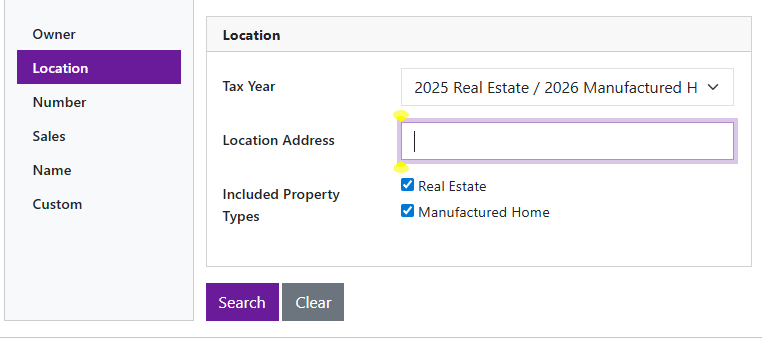
Searching by Address
To find a property by address, start on the main GIS map interface. Enter the street address into the search bar and click “Search.” The tool will zoom to the parcel and highlight its boundaries.
Key steps:
- Enter full street address (number, street name, city)
- Click Search or press Enter
- Map will zoom to the location and display parcel boundaries
- Parcel details appear in the information panel, including owner, lot size, and property ID
Searching by Parcel Number
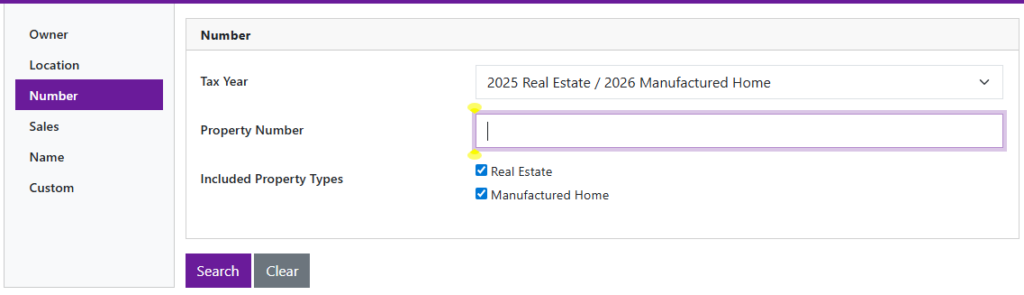
If you have the parcel number, this method provides the fastest route to a specific property. Parcel numbers link directly to county records and are displayed clearly in the auditor’s database.
Steps to search by parcel number:
- Enter the exact parcel number in the search field
- Select Search
- The parcel will be highlighted on the map
- Ownership, assessed value, and tax information are displayed
Turning Layers On and Off
Brown County GIS allows users to manage map layers to focus on relevant data. Layers include parcels, roads, zoning, flood zones, school districts, and utilities.
How to use layers:
- Click the Layers button in the map toolbar
- Check boxes to display specific layers
- Uncheck boxes to remove unwanted data from view
- Combine layers for a customized map view
Measuring Distance and Area
The GIS tools include measurement features for property evaluation and planning. Users can calculate linear distances or total parcel areas.
Steps:
- Click the Measure tool on the map toolbar
- Select Distance or Area
- Click points on the map to trace lines or define polygons
- The measurement result appears in feet, meters, or acres
Printing and Exporting Maps
Maps can be saved or printed for presentations, legal documents, or planning purposes.
How to print or export:
- Click Print/Export in the toolbar
- Choose map layout, scale, and included layers
- Select PDF or image format
- Save to your computer or print directly
Accuracy, Limitations, and Legal Considerations
Brown County’s mapping system provides valuable insights into property boundaries, parcel layouts, and land features. While highly useful for research, planning, and property analysis, GIS maps are intended for informational use only. Users should understand that digital boundaries are based on county records, surveys, and geospatial data, which may not always match the exact legal description. Knowing the system’s limitations ensures responsible use and avoids potential disputes or misinterpretation.
Accuracy of the Mapping System
The GIS platform is maintained with regular updates from surveys, county records, and field measurements. This allows users to access relatively current data about parcel boundaries, zoning, and land features. However, small discrepancies can occur due to historical changes, survey rounding, or mapping conventions.
Key points about accuracy:
- Most parcel boundaries are reliable for general reference and planning
- Layered information, like roads or utilities, is accurate for public planning purposes
- Exact legal boundaries require a professional land survey
Limitations and Legal Considerations
While the GIS mapping system is comprehensive, it is not a legally binding document. All maps are accompanied by a map disclaimer noting that data is provided “for informational use only”. Users should rely on official deeds, surveys, or legal documents for precise property limits, ownership disputes, or construction purposes.
Common limitations include:
- Parcel lines may not match physical markers exactly
- Easements, rights-of-way, or private agreements may not appear
- Data update frequency varies; recent changes may not be reflected immediately
Overview of Brown County GIS Mapping Platform
The Brown County GIS map is an official online system that allows users to explore parcel boundaries, land records, and property details through interactive mapping. These auditor GIS tools provide public access to the county’s official GIS database, making property research faster and more transparent. The platform serves as a central resource for residents, buyers, developers, and local agencies who need accurate land and parcel information. Instead of relying on paper files or office visits, users can view property data digitally through one county mapping portal.
What the Brown County GIS Map Provides
The Brown County GIS mapping platform connects map visuals with recorded land and tax information. Users can search for parcels, view lot lines, and review property details directly from the auditor contact system. This helps people understand where a parcel is located and what official records are tied to it. The map interface supports both general public use and professional planning needs.
Common features available through the platform include:
- Parcel boundaries and lot dimensions
- Owner and tax parcel records linked to each property
- Zoning layers and land use classifications
- Roads, rights-of-way, and infrastructure overlays
- Environmental mapping such as flood zones or drainage areas
Why the Auditor GIS Tools
Auditor GIS tools improve transparency by giving the public direct access to county land information. Homeowners can confirm property boundaries, buyers can evaluate parcels before purchase, and developers can review zoning restrictions before starting projects. The platform supports county departments by keeping mapping data consistent across offices.
Key benefits of the official GIS database include:
- Faster property lookup without visiting county offices
- Clear visualization of land divisions and parcel layouts
- Reliable mapping support for planning, permits, and tax review
- Public trust through open and organized land records
One Platform for Multiple Property Needs
The Brown County GIS map works as a single portal where users can combine parcel mapping with zoning overlays, infrastructure layers, and public land records. This unified system helps residents and professionals make informed decisions with confidence. By bringing together maps and auditor property data, Brown County provides an accessible and valuable resource for understanding land ownership and property use across the county.
Frequently Asked Questions
Brown County GIS maps help residents view parcel map details, zoning layers, and property boundaries online. These tools support GIS access to public land records, making property research easier for buyers, owners, and professionals. Many users rely on the platform to check land divisions, zoning rules, and parcel information. A small embedded screenshot or interactive map snippet near this FAQ section can improve clarity and engagement.
How to find a parcel map?
A parcel map can be viewed through the Brown County Auditor’s GIS mapping platform. Users can search by entering a street address or a parcel identification number in the lookup tool. Once the search runs, the map zooms directly to the property and outlines the parcel boundaries. The parcel map includes lot size, location details, and links to tax parcel records. This helps homeowners and buyers confirm land layout before making decisions. It also supports real estate research with clear public mapping data.
What do zoning layers mean?
Zoning layers show how land is classified under county zoning districts. These overlays identify whether property is residential, commercial, agricultural, or part of another land use category. Users check zoning layers to understand what activities or building types are permitted. This is useful for planning construction, evaluating investment land, or reviewing restrictions. The GIS viewer allows zoning overlays to be turned on or off for easier analysis. Zoning layers provide context beyond basic parcel boundaries.
Are GIS boundaries legally exact?
GIS parcel boundaries are provided for informational use only and are not legal survey documents. The property lines shown on the map are digital representations based on county records and mapping data. They work well for general planning but may not match surveyed corner markers exactly. For fencing, construction near lot borders, or boundary disputes, a licensed land survey is required. GIS maps improve transparency but do not replace official legal property descriptions. Users should treat them as helpful visual references.
How often is GIS data updated?
The GIS system is updated as new land records, surveys, and parcel changes are processed by county offices. Ownership transfers, subdivisions, or boundary adjustments may take time before appearing online. Data update frequency depends on mapping revisions and record verification schedules. Users researching recent property changes should confirm details through the auditor’s office when accuracy is critical. The platform remains reliable for general reference, but very new updates may not show immediately. Regular updates help maintain consistency across GIS layers.
Can GIS help with planning?
GIS access supports property planning, development research, and land evaluation. Users can view parcel map boundaries, zoning layers, flood zones, and infrastructure overlays like roads or utility corridors. Developers often use these tools before applying for permits or starting construction projects. Homeowners benefit by understanding lot borders and nearby zoning classifications before improvements. Real estate professionals compare parcels and neighborhood features through interactive digital maps. These tools encourage informed decisions through accessible public land records.